

AMS Mechanics Kilbarrack, Brake Caliper Replacements.
Understanding Brake Calipers
Before we get into the replacement process, it’s important to understand what brake calipers do.
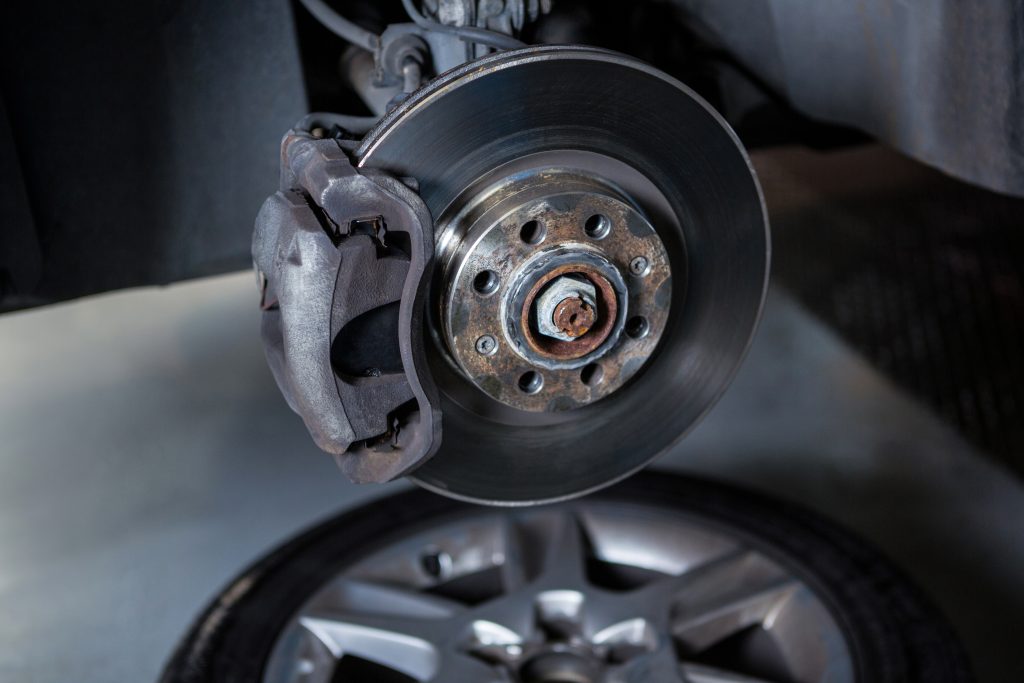
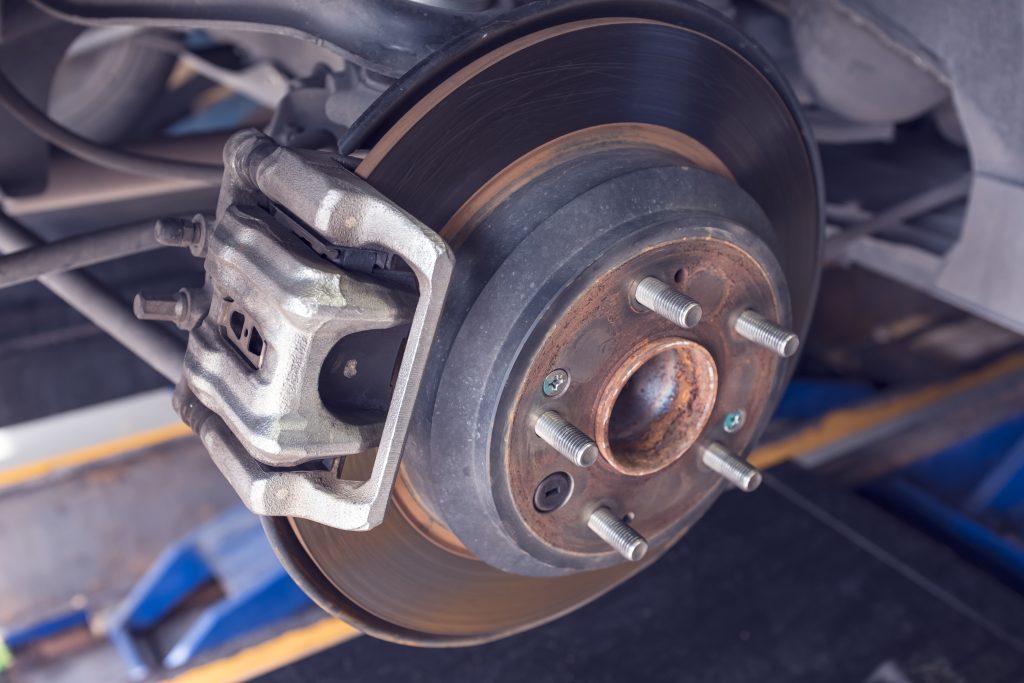
Brake calipers are a crucial part of your vehicle’s disc braking system. They house the brake pads and pistons, and their primary function is to create friction with the brake discs to slow down or stop your vehicle.
Signs You Need a Brake Caliper Replacement
Some common signs that your brake calipers need to be replaced include:
- Uneven brake pad wear: One brake pad wears down faster than the other.
- Vehicle pulling to one side: When braking, the vehicle pulls to the left or right.
- Leaking brake fluid: Noticeable leaks near the tires.
- Reduced braking power: It takes longer to stop the vehicle.
If you experience any of these symptoms, it’s time to visit AMS Mechanics Kilbarrack for a professional inspection and potential brake caliper replacement.
The Brake Caliper Replacement Process
1. Vehicle Inspection
At AMS Mechanics Kilbarrack, we begin with a thorough inspection of your braking system. This helps us identify any underlying issues and confirm that the brake calipers need replacement.
2. Safety First: Lifting the Vehicle
Safety is our top priority. We lift the vehicle using a hydraulic lift and securely support it with jack stands. This ensures a stable working environment.
3. Removing the Wheel
Next, we remove the wheel to access the brake caliper. This step involves loosening the wheel nuts and carefully taking the wheel off the hub.
4. Detaching the Brake Caliper
With the wheel removed, we locate the brake caliper and detach it. This involves:
- Removing the bolts that hold the caliper in place.
- Carefully sliding the caliper off the brake disc.
- Supporting the caliper to prevent strain on the brake hose.
5. Inspecting the Brake Pads and Rotor
We inspect the brake pads and rotor for any signs of wear or damage. If they are in good condition, we proceed with the caliper replacement. If not, we recommend replacing the pads and disc as well.
6. Installing the New Brake Caliper
We then install the new brake caliper. This involves:
- Positioning the new caliper over the brake disc.
- Securing it with the mounting bolts.
- Ensuring the brake hose is properly connected to avoid any leaks.
7. Bleeding the Brakes
Air in the brake lines can reduce braking efficiency. We bleed the brakes to remove any trapped air, ensuring optimal brake performance.
8. Reassembling the Wheel
Once the new caliper is securely in place and the brakes are bled, we reassemble the wheel. This involves:
- Reattaching the wheel to the hub.
- Tightening the nuts.
9. Final Inspection and Test Drive
After reassembling the wheel, we perform a final inspection to ensure everything is properly installed. We then take the vehicle for a test drive to verify the brakes are functioning correctly.
10. Customer Briefing
Once the test drive is complete, we brief our customers on the work performed and any additional maintenance tips. We also answer any questions they may have.
Conclusion
At AMS Mechanics Kilbarrack, we pride ourselves on providing top-notch service and ensuring your vehicle is safe to drive. Regular maintenance and timely brake caliper replacements are vital for your vehicle’s performance and your safety on the road. If you suspect any issues with your braking system, don’t hesitate to contact us for an inspection.
Stay safe and drive with confidence!