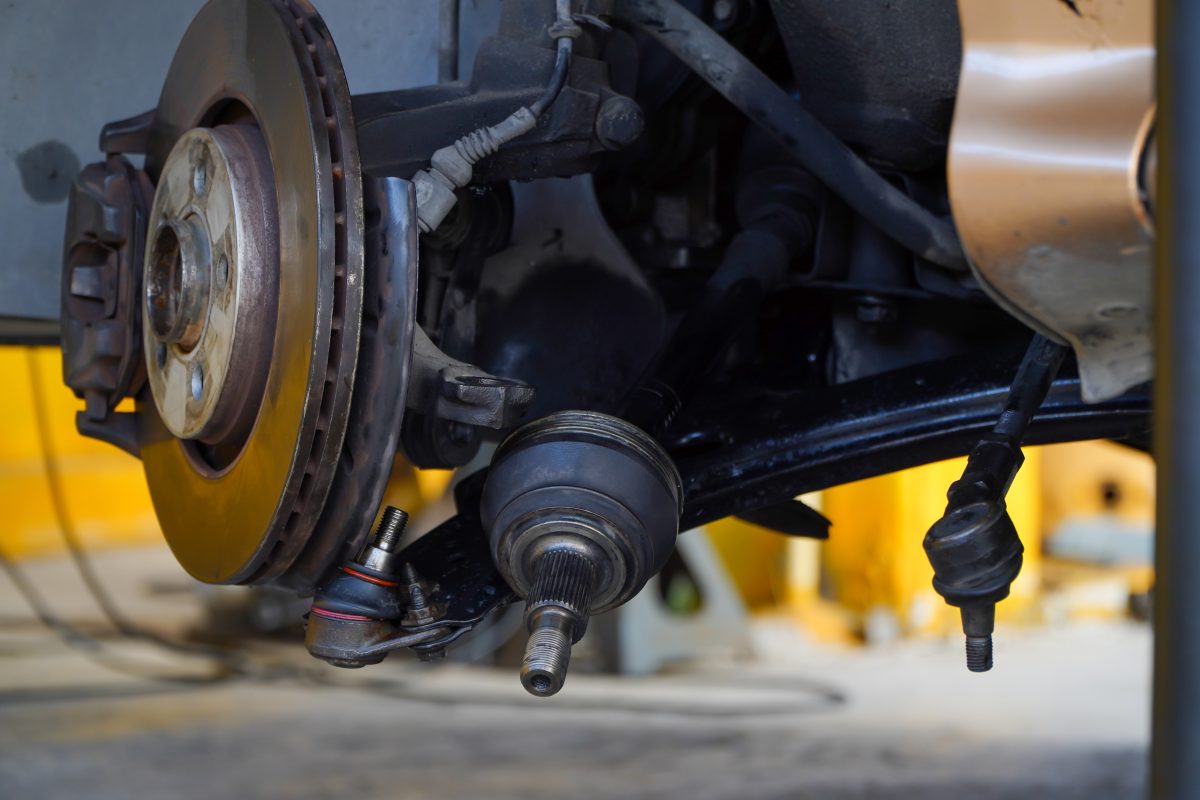
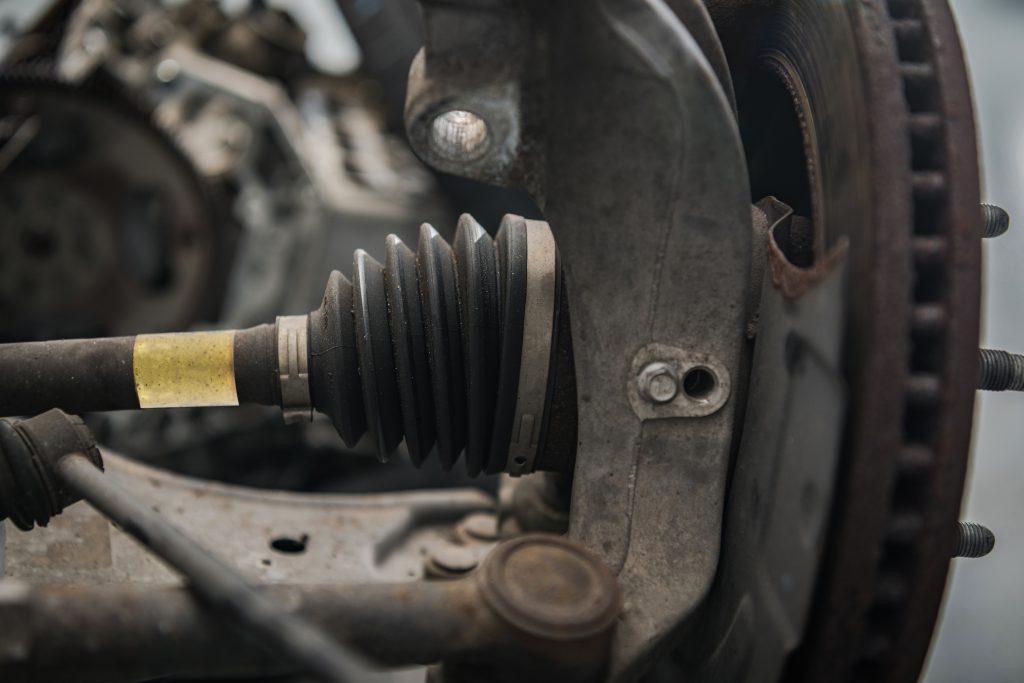
The drive shaft plays a pivotal role in your vehicle by transmitting torque and rotation from the engine to the wheels, ensuring the smooth functioning of your car. Recognising signs of trouble with the drive shaft is crucial, and often, you can hear these issues before spotting them visually.
Identifying Common Noises and Their Significance
Clunking Noise:
A clunking sound during acceleration or deceleration may point to problems with the drive shaft’s joints. The wear and tear or damage to these joints can result in an audible clunking noise.
Squeaking at Low Speed:
Squeaks, especially at lower speeds, could indicate that the components of the drive shaft require proper lubrication. Inadequate lubrication may lead to increased friction and subsequent wear.
Vibrations and Rumbling Sounds:
Sensations of vibrations and rumbling noises may signify a misaligned or damaged drive shaft. Such issues can arise from regular wear and tear or as a consequence of a minor accident.